SMS marketing offers the best cost-benefit ratio among all communication channels. Yet, many businesses squander this potential by making mistakes that destroy results, annoy customers, and, in severe cases, trigger fines. We have identified the 10 most common mistakes — and for each one, we provide a proven solution.
If you avoid these 10 mistakes, your SMS marketing will already outperform 90% of Brazilian businesses.
Mistake #1: Buying contact lists
The problem
Purchased lists contain invalid numbers, people who don't know you, and zero consent. The result: 40-60% delivery rates, massive opt-outs, and the risk of LGPD fines of up to R$ 50 million.
The solution
Build your list organically:
Real data: Organic lists yield conversion rates 8-15x higher than purchased lists.
Mistake #2: Sending messages without identification
The problem
"20% OFF storewide! Shop now: {link}"
Who sent this? The customer doesn't know and ignores (or blocks) it.
The solution
ALWAYS identify your company:
"20% OFF storewide! Shop: {link}. ModaTrend. To opt out: STOP"
The sender's identity should be in every message, preferably at the end.
Mistake #3: Excessive frequency
The problem
Sending an SMS every day annoys customers. Opt-out rates skyrocket, and those who stay begin ignoring your messages (the "boy who cried wolf" effect).
The solution
Ideal frequency by sector:
Golden rule: If the customer doesn't want to receive 100% of your text messages, you are sending too many.
Mistake #4: Not including an opt-out option
The problem
Failing to provide an unsubscribe option is:
The solution
Include this in every marketing message:
"To opt out: STOP" or "Unsubscribe: reply STOP"
And process opt-outs immediately. Never send messages to anyone who asked to unsubscribe.
Mistake #5: Messages that are too long
The problem
Text messages exceeding 160 characters are split into 2-3 parts, cost more, and arrive fragmented. The message loses its punch.
The solution
Be concise. A great formula:
[Hook] + [Offer] + [CTA] + [Sender] + [Opt-out]
❌ "Hello! We would like to inform you that our store is having a very special promotion this week. We have discounts of up to 50% on several products from our new spring/summer collection. Don't miss this amazing opportunity! Visit us!" (282 characters = 2 SMS)
✅ "🔥 50% OFF the new collection! This week only. Check it out: {link}. ModaTrend. To opt out: STOP" (89 characters = 1 SMS)
Mistake #6: Inappropriate timing
The problem
An SMS sent at 6 AM or 11 PM doesn't sell — it irritates. It feels intrusive and triggers mass opt-outs.
The solution
Safe hours: 8 AM to 9 PM
Ideal hours: 10 AM–12 PM, 2 PM–4 PM, 6 PM–8 PM
Never send: Before 8 AM, after 9 PM, or overnight
Exception: Urgent transactional text messages (verification codes, security alerts) can be sent at any time.
Mistake #7: Failing to segment
The problem
Blasting the same message to your entire database is like using a megaphone in a library. Not everyone wants the same thing.
The solution
Segment by:
A discount on cat food sent to dog owners is wasteful (and annoying).
Mistake #8: Not tracking results
The problem
"We send SMS campaigns, but we don't know if they work." Without metrics, there is no optimization.
The solution
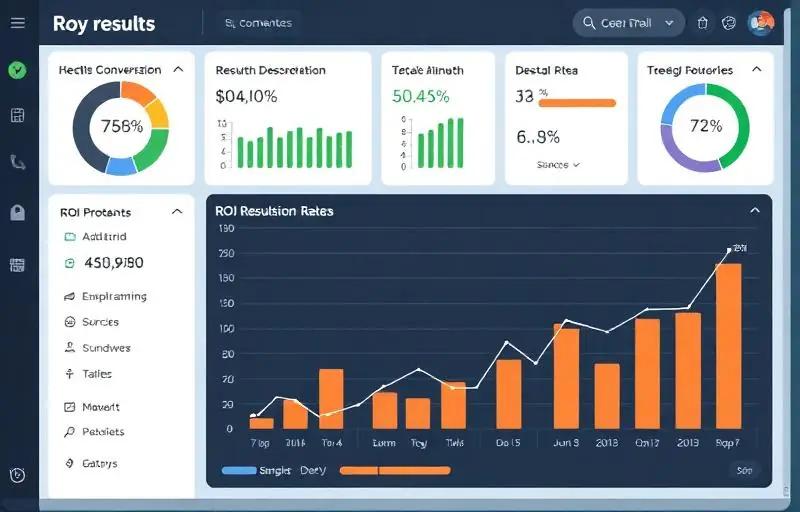
Measure after every campaign:
1. Delivery rate: Goal >95%
2. Click-through rate: Goal >15%
3. Conversion rate: Goal >8%
4. Opt-out rate: Goal <3%
5. ROI: Revenue generated / cost of SMS
Use UTM parameters in links to track performance in Google Analytics.
Mistake #9: Creating fake urgency
The problem
"LAST CHANCE! Today only!" — but the same promotion runs every week. Customers catch on and stop believing you.
The solution
Use REAL urgency:
Real urgency is a powerful motivator. Fake urgency destroys credibility.
Mistake #10: Using SMS strictly to sell
The problem
If every text is "BUY! BUY! BUY!", customers get exhausted and tune out. SMS marketing is about more than just promotional blasts.
The solution
Vary your content types:
Relationship-building messages drive greater long-term loyalty than direct sales pitches.
Anti-mistake checklist
Before every broadcast, verify:
1. ✅ Proprietary list with consent (not purchased)
2. ✅ Company identified in the message
3. ✅ Frequency tailored to your industry
4. ✅ Opt-out included
5. ✅ Message within 160 characters
6. ✅ Scheduled between 8 AM and 9 PM
7. ✅ Contact list segmented
8. ✅ Metrics and tracking configured
9. ✅ Genuine urgency (if applicable)
10. ✅ Varied content (not just sales)
Step-by-step guide to structuring error-free campaigns
To ensure your communication generates real returns and avoids operational pitfalls, follow a structured workflow before sending:
Ready-to-use message templates for different stages
Using validated frameworks helps maintain clarity, stay within the 160-character limit, and include all mandatory elements. Check out practical examples for your business:
Quick diagnosis: what to do when metrics drop
Monitoring key indicators closely allows you to identify operational bottlenecks before they compromise the entire campaign budget:
Frequently asked questions about SMS sending
How should you handle an opt-out request made through another channel?
If the recipient requests removal via WhatsApp, email, or phone support, immediately add the number to the sending platform's blocklist. Keeping this control up to date avoids unwarranted sends and complies with data protection principles.
Is it risky to use generic link shorteners?
Public, generic shorteners increase the chances of the message being flagged as spam by automated device filters. Prefer sending tools that provide proprietary shorteners with integrated tracking or custom-domain links.
What is the practical difference between promotional and transactional SMS?
Promotional SMS has a commercial focus geared toward conversion and requires sender identification, time restrictions, and opt-out instructions. Transactional SMS is used for essential informational alerts, such as verification codes, delivery notices, and password reminders, and can operate with greater time flexibility due to its utility nature.
Conclusion
Avoiding these 10 mistakes places your SMS marketing within the top 10% of the Brazilian market. Most businesses make at least 3-4 of these errors, leaving potential on the table and alienating customers. Fix each one, track your performance, and build an SMS sales engine that scales sustainably.