Based on the analysis of millions of SMS messages sent through our platform over the course of 3 years, we have identified clear patterns regarding the best times for each type of campaign. Proper timing can mean the difference between a 2% conversion rate and an 8% conversion rate—that is, 4x more sales for the exact same investment.
The science behind SMS marketing timing is fascinating. It involves behavioral psychology, daily routines, and even emotional factors that influence a consumer's willingness to buy. Let's explore all of this in detail.
Best Overall Times
Our data points to three golden windows for sending SMS marketing:
10:00 AM - 12:00 PM — Highest Open Rate
This is the period when people take a break from work, check their phones, or take a quick breather. The mind is active, yet open to distractions. Open rates during this window reach up to 99%, with an average read time of less than 90 seconds after receipt.
This time frame is especially effective for promotions that require reflection—such as mid-to-high ticket purchases. The consumer has time to think, compare, and decide without the pressure of being about to go to sleep or just waking up.
2:00 PM - 4:00 PM — Strong Conversion
The post-lunch window is when people are most inclined to make a purchase. Behavioral science explains this: after a meal, dopamine levels are elevated, making people more prone to impulsive buying decisions. Conversion rates during this period are 23% higher than the daily average.
This schedule works exceptionally well for flash sales, discount coupons, and promotions on low-to-medium ticket products.
6:00 PM - 8:00 PM — High Engagement
The end of the workday is when people are more relaxed and have time to browse offers. Link click-through rates during this period are the highest of the day, as consumers can browse the website or product catalog at a relaxed pace. It is the ideal time for messages inviting customers to discover new arrivals or take advantage of daily deals.
Analysis by Day of the Week
Not all days are created equal. Our analysis reveals:

By Market Segment
Retail / E-commerce
Retailers following these patterns report conversion rates 35% higher than those sending campaigns at random times.
Healthcare (Appointment Reminders)
The combination of a day-before reminder plus a confirmation a few hours prior reduces no-shows by up to 70%.
Restaurants and Delivery
Restaurants that send text messages 30 minutes before peak decision-making time report a 40% increase in orders.
Education
Financial Services
Gyms and Fitness
Always Avoid
There are times and situations that should be avoided at all costs:
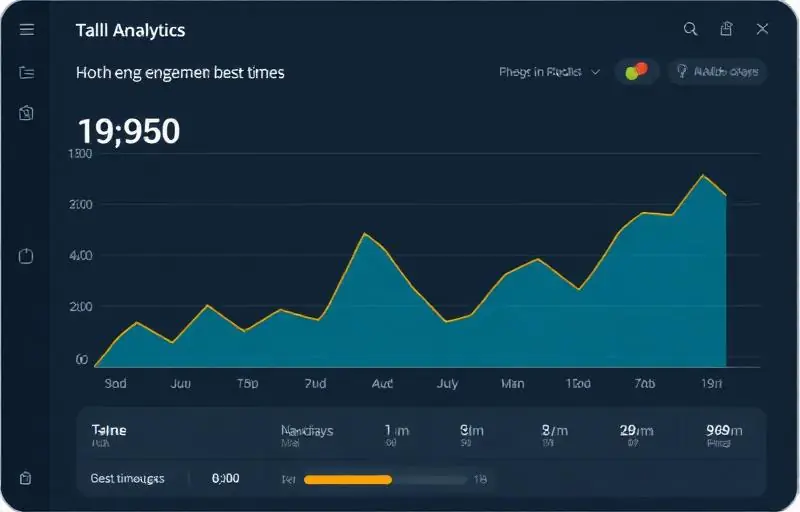
Golden Rule: A/B Testing
The truth is that every audience is unique. While our data provides valuable benchmarks, the best way to uncover the optimal time for YOUR audience is to run A/B tests:
1. Split your contact list into equal groups (minimum 500 contacts each)
2. Send the exact same message at different times to each group
3. Compare metrics: open rates, click-through rates, and conversions
4. Repeat across different days of the week
5. Document your findings and build your own optimized schedule
After 4 to 6 weeks of testing, you will have plenty of data to fully optimize your timing strategy.
Scheduling Tools
On the SMS Grátis Online platform, you can:
Practical message examples by time and objective
To apply engagement windows to your company's daily routine, see how to structure direct texts for different periods:
Common mistakes when setting sending times
Even with affordable campaigns and fast delivery, some timing mistakes can hurt your conversion rate. Avoid the following pitfalls:
Essential metrics to monitor timing
To verify the efficiency of the chosen time for your niche, track precise indicators after each send:
Frequently asked questions about sending times
Is it recommended to send promotional messages on weekends?
It depends on the company's segment. Food businesses, local mall retail, entertainment, and leisure work very well on Saturday mornings. On the other hand, companies serving the corporate market (B2B) or accounting and legal services should prioritize business days.
How to organize sends for contacts in different time zones?
The safest recommendation is to segment your contact list by area code (DDD) before sending. With this division, you can schedule independent batches for each time zone and respect the convenient hours of each Brazilian state.
When is the best time to send payment reminders?
Preventive invoice reminders should be sent three to five days in advance, always during business hours, between 9:00 AM and 11:00 AM. On the due date, a new reminder at 10:00 AM with the bank slip's barcode number facilitates immediate payment.
What should you do when the message is opened but almost no one clicks?
This indicates that the customer read the notification, but was too busy to open the link and browse. The practical solution is to test quieter times in the routine, such as early evening between 6:00 PM and 7:30 PM, when daily tasks have already ended.
Conclusion
Send time is one of the most underestimated variables in SMS marketing. Many businesses invest hours crafting the perfect message, only to deliver it at the worst possible time. By pairing relevant messages with the right timing, you can easily double or triple your results without spending an extra penny on SMS credits.
Run A/B tests on your own subscriber base, track your findings, and establish a custom delivery schedule tailored to your business. The effort invested in this optimization pays off many times over.