The parking market in Brazil is huge: more than 30,000 commercial parking lots generating billions every year. In an industry where customer communication is typically limited to a paper ticket and a barrier gate, SMS offers a differentiation opportunity that few take advantage of.
SMS turns parking facilities into smart services: monthly subscribers receive payment reminders, transient hourly customers get time alerts, and operations become more efficient.
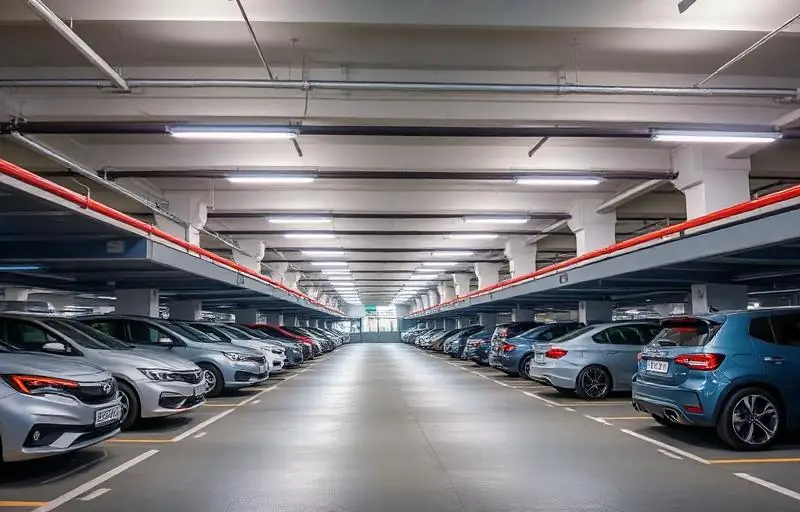
SMS for Monthly Subscribers
Billing and Payments
5 days before:
On the due date:
5 days after:
Operational Communication
Renewal and Price Adjustments
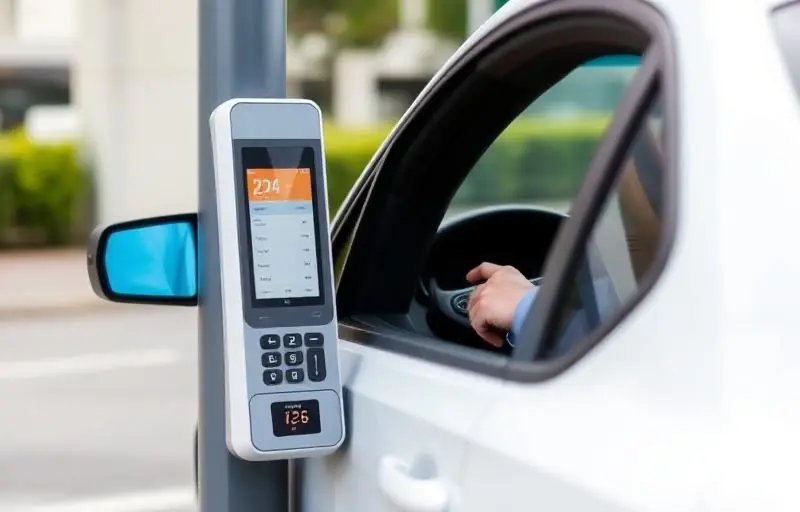
SMS for Transient Customers
Time Alerts
Promotions
Business hours: "Lunch special! 🍽️ From 11 AM to 2 PM: R$ 12 flat rate (up to 3 hrs). Parking Central. Valid Mon–Fri!"
Weekend: "Weekend deal: full day pass for R$ 25 (Sat–Sun). Park worry-free! 🅿️"
Events: "Concert at the stadium tonight! 🎵 Reserved parking with a discount: R$ 20 all night. Book now: (11) 9xxxx-xxxx"
Transient → Monthly Conversion
Safety and Emergencies
Value-Added Services
Automation and Integration
1. Vehicle entry → Confirmation SMS
2. 15 min before expiration → Time alert
3. Monthly fee approaching due date → Automated reminder
4. Access blocked → Notification
5. Special events → Automated promotional push
Results
A 200-space parking lot in downtown São Paulo achieved:
Tips
Practical step-by-step guide to implementing SMS in your parking lot
Integrating text messaging into the parking facility's daily routine requires counter organization and proper parameterization in the management software. To structure the workflow without overloading operators, follow this roadmap:
1. Customer registration adjustments: Update monthly subscriber contracts by adding the mobile phone number with area code as a required field. For transient drivers, request the phone number during manual check-in or provide a QR Code on the paper ticket for voluntary registration if the customer wishes to receive a digital receipt and parking duration alerts via SMS.
2. Integration with the gate system: Connect the messaging platform to the API of the software controlling the parking facility's entries and exits. This allows triggering automatic notifications the exact moment the vehicle crosses the gate or when the grace period limit is near its end.
3. Creation of automation sequences: Separate messages by operational categories. Schedule billing alerts for monthly subscribers, security notices for unforeseen events, and promotional communications to fill vacant spots on low-traffic days.
4. Alignment with the floor staff: Train cashiers and valets to guide customers about the channel. When a driver knows they will receive mobile notifications regarding the car's status, acceptance of the service becomes natural.
Examples of messages for structured operational flows:
Common errors in SMS communication for parking lots
Small oversights in the format or frequency of messages can drive away regular drivers or create unnecessary noise at the front desk. Learn about the most frequent mistakes:
Example of a corrected message to avoid friction:
Essential metrics to evaluate the impact of messaging
To measure the practical return on investment of SMS in the parking garage, track the following indicators:
Frequently asked questions about SMS for parking lots
How to collect the transient driver's phone number without delaying the gate queue?
The most efficient way is to print a quick code directly on the physical paper ticket, stating that the driver can receive the invoice on their mobile phone and the grace period notice by entering their number on a simple landing page.
Is it feasible to use SMS in small neighborhood parking lots?
Yes. Since message packages are affordable starting at R$ 0,06 per send, parking facilities with fewer spaces can maintain the sequence for monthly subscribers and essential notices active with a very low monthly investment.
Can security alert messages be sent at night?
Yes. Alerts related to triggered alarms, headlights left on, open windows, or collisions on the premises are of an emergency nature and must be sent immediately upon occurrence to safeguard the driver's property and the company's liability.
How to handle customer consent for receiving messages?
Include an objective clause in the monthly subscribers' agreement informing them about the notification channel. For transient customers, add a clear opt-out option for promotional messages whenever dispatching content that is not purely operational.
Conclusion
SMS turns traditional parking garages into smart operations. With payment reminders, time alerts, strategic promotions, and security communication, you can increase occupancy, reduce payment defaults, and build customer loyalty among monthly parkers. The investment is minimal and implementation is straightforward.