The Brazilian fitness sector generates R$ 12 billion per year and brings together more than 35,000 gyms—the second-largest market in the world. But there is a chronic problem: the cancellation rate. On average, 50% of enrolled members drop out within the first 3 months. The main reason? Lack of motivation and connection with the gym.
SMS is the most effective tool to combat this issue. With motivational messages, workout reminders, and re-engagement offers, gyms that implement SMS marketing reduce cancellations by up to 40% and increase workout frequency by 35%.
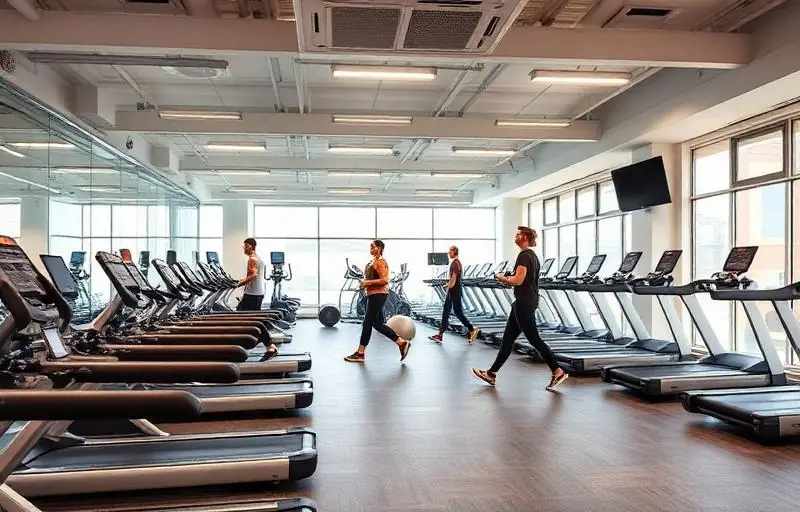
The Churn Problem in Gyms
Why Do Members Cancel?
1. Lack of motivation (40%): They don't feel supported
2. Busy routine (25%): They forget or don't prioritize it
3. Not seeing results (20%): They give up before seeing changes
4. Cost (10%): They consider it expensive for their actual usage
5. Others (5%): Moving, traveling, etc.
The Cost of Losing a Member
Retaining is 5x cheaper than acquiring. And SMS is the most efficient retention tool.
Types of SMS for Gyms
Welcome and Onboarding
"Welcome to {Gym}, {name}! 💪 Your 1st workout: tomorrow at {time} with {trainer}. Bring comfortable clothes and a water bottle. See you there!"
Workout Reminder
"Good morning, {name}! 🏋️ Today's {muscle group} workout is waiting for you. Time: {time}. Let's stay consistent! {Gym}"
Weekly Motivation
"Hey {name}! You've already worked out {X} times this month! 🔥 Goal: {Y} workouts. {Z} to go. You got this! {Gym}"
Absent Member (3 Days)
"We miss you, {name}! 😊 It's been {X} days since your last workout. Come back today and get back on track! Schedule: {link}. {Gym}"
Absent Member (7 Days)
"Hey {name}! A full week without working out—is everything okay? 💙 We know life gets busy, but every workout counts. How about coming back tomorrow? {Gym}: {phone}"
Absent Member (15+ Days)
"Hey {name}! We really miss you. 😢 We've prepared something special for your return: 1 free session with a personal trainer! Book now: {phone}. {Gym}"

Membership Renewal
"Hey {name}! Your plan expires in {X} days. Renew now and get {benefit}: {link}. Questions: {phone}. {Gym}"
Special Classes
"🆕 New {class type} class on {day} at {time}! Limited spots. Secure yours: reply YES. {Gym}"
Member's Birthday
"Happy birthday, {name}! 🎂🎉 A gift from {Gym}: 1 free month to bring a friend to work out with you! Valid for 30 days."
Results/Physical Assessment
"Congratulations, {name}! 📊 Your physical assessment showed: {positive result}! Keep it up. Next assessment: {date}. {Gym}"
Gym Event
"🎪 {Event} at {Gym}! On {date}: {description}. Free admission for members + 1 guest. Confirm: reply YES"
Retention Strategy via SMS
Weeks 1-4 (Onboarding)
The most critical period. 33% of cancellations occur in the first month.
Months 2-3 (Consolidation)
Month 4+ (Maintenance)
Cancellation Risk Detection
Warning signs monitored via SMS:
Real Results
Case Study: FitPro Gym (800 Members)
Before SMS:
After SMS (10 Months):
Monthly investment: R$ 360 (6,000 SMS)
Preserved revenue (retention): R$ 3,120/month (26 retained members x R$ 120)
ROI: 767%
"SMS created a direct communication channel with members that didn't exist before. Previously, a member would vanish and we'd only notice when they requested cancellation. Now, we act beforehand." — FitPro Manager

Smart Automations
Turnstile/Access Control Integration
If a member hasn't swiped through the turnstile in X days → automatic re-engagement SMS. No manual work required.
Segmentation by Goal
Gamification via SMS
"🏆 Monthly Ranking: You are in {X}th place with {Y} workouts! Top 10 gets an exclusive T-shirt. Let's climb the ranks! {Gym}"
Best Practices
1. Motivational, not demanding tone: "We miss you" vs "You need to come work out"
2. Personalization: Use the member's name and workout data
3. Optimal frequency: 2-3 SMS/week for active members, 1/week for inactive members
4. Strategic timing: 6:00 AM-7:00 AM (before morning workouts) or 4:00 PM-5:00 PM (before evening workouts)
5. Celebrate milestones: Workout streaks, physical assessment results
6. Respect opt-out requests: Always provide an easy way to unsubscribe
Step-by-step guide to structuring an SMS sequence in the gym
The technical structuring of a communication sequence does not require complex systems, but it demands methodology so messages arrive at the right moment in the member's journey.
1. Periodic list hygiene: Keep records updated with the correct area code at the time of enrollment. Remove invalid numbers and check for duplicate entries at least once a month to avoid unnecessary costs.
2. Mapping operational triggers: Set clear criteria in the management system to trigger dispatches, such as the first turnstile check-in, consecutive absences, or approaching expiration dates for medical exams and contracts.
3. Drafting objective templates: Craft messages of up to 160 characters, prioritizing clarity and direct action. Practical example of an initial orientation: "Hi {name}! Your workout plan is ready at the front desk of {Gym}. Stop by today to pick it up with our team before starting!"
4. Alignment with the customer service team: Brief floor trainers and the front desk about active messages for the day. If a member receives an invitation to ask questions, the team must be ready to welcome them warmly.
5. Performance review: Assess weekly whether scheduled times are delivering practical results and adjust intervals according to your facility's routine.
Common mistakes that hurt member retention
Even with good intentions, occasional flaws in SMS communication can have the opposite effect, driving members away instead of encouraging them.
Metrics to track the impact of messages
To understand the effectiveness of broadcasts and optimize investments, management should regularly track simple metrics.
Frequently asked questions about SMS for fitness centers
Does SMS replace the gym's proprietary app?
Not necessarily. Apps serve as repositories for workouts and exercise sheets, but they depend on an active internet connection and push notifications, which many users disable. SMS acts as a direct delivery channel for urgent notices and timely incentives that need to be read quickly, functioning as a perfect complement to the app.
What is the best approach for overdue membership fees?
The text channel should be friendly and focused on resolving the pending issue without embarrassing the member. Use discreet wording such as: "Hi {name}, we noticed an outstanding balance on your {Gym} membership. Access the link to generate a duplicate slip or visit the front desk to settle it easily."
What should you do if the member does not respond to absence alerts?
When automated messages have no effect after two or three spaced attempts, the best practice is to pause automated sends and initiate personalized contact from the front desk or technical coordinator to find out if there was an injury, travel, or a change in routine.
Conclusion
For gyms, SMS is more than marketing—it's an essential retention and relationship-building tool. With minimal investment, fitness centers reduce cancellations, boost workout frequency, and build an emotional connection with members that no other channel can match.