The Brazilian healthcare system serves more than 210 million people, with a network of hospitals, clinics, laboratories, and medical offices facing massive communication challenges. The no-show rate for medical appointments in Brazil is between 30% and 40%, costing billions to both the public and private healthcare systems. Medications are forgotten, tests are left undone, and follow-ups are ignored.
SMS has become the most effective tool for tackling these challenges. With a 98% open rate and instant delivery, SMS ensures that critical health information reaches the patient—literally having the power to save lives.
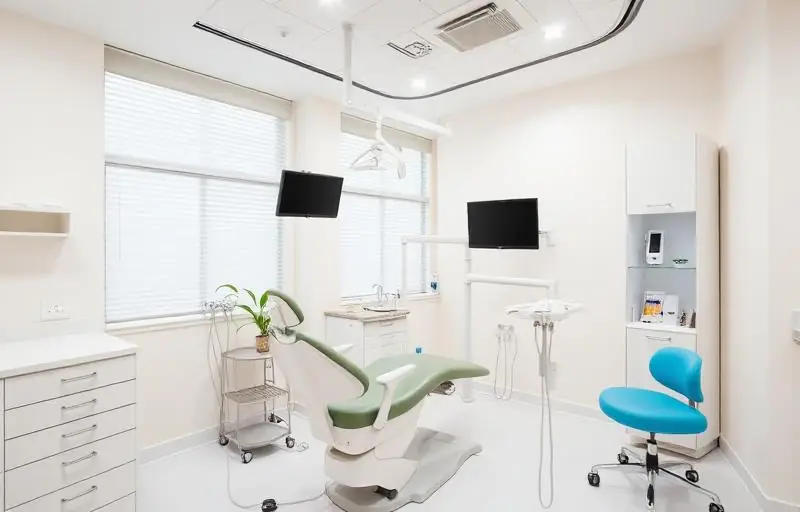
The impact of no-shows on healthcare
Alarming numbers
Financial impact
A clinic with 50 appointments/day and a 35% no-show rate:
With SMS, this rate drops to 5-8%, recovering up to R$ 80.000/month.
SMS automations for healthcare
1. Appointment scheduling
"Appointment scheduled! Dr. {medico}, {especialidade}. Date: {data} at {hora}. Location: {clinica}, {endereço}. Confirm: YES"
2. Reminder 48 hours prior
"Reminder: Appointment with Dr. {medico} in 2 days, {data} at {hora}. {Clinica}. Confirm: YES. Reschedule: {tel}"
The 48-hour window is ideal in healthcare because it leaves enough time for rescheduling and fitting in other patients.
3. Same-day reminder
"Your appointment is TODAY at {hora}. Dr. {medico}, {clinica}. Bring: {documentos}. Address: {endereço}. We look forward to seeing you!"
4. Exam preparation
Procedures such as endoscopies, colonoscopies, and blood tests require preparation:
"IMPORTANT PREPARATION: Your {exame} test is on {data}. Fasting for {horas}h is mandatory. Full instructions: {link}. {Lab}"
"Reminder: Exam tomorrow. Fasting starts at {hora} today. Don't forget to bring your doctor's requisition and ID. {Lab}"
5. Test results
"Your test results are ready! 📋 Access: {link} or pick them up at the front desk. {Lab}. Questions: {tel}"
6. Medication reminders
For chronic patients (diabetes, hypertension, etc.):
"Medication time, {nome}! 💊 {Medicamento} - {dosagem}. Remember: your health depends on consistency. {Clinica}"
"Notice: Your prescription for {medicamento} expires in 7 days. Schedule a follow-up for renewal: {tel}. Dr. {medico}"

7. Medical follow-ups
"Hi {nome}! Your follow-up with Dr. {medico} is due this month. Book now: {tel}. Don't postpone your care! {Clinica}"
"It's been 6 months since your last check-up. Time to take care of your health! Schedule your tests: {tel}. {Clinica}"
8. Preventive health campaigns
Pink October:
"Pink October 🎀 Schedule your mammogram with special conditions. Prevention saves lives! {Clinica}: {tel}"
Movember / Blue November:
"Blue November 💙 Men over 50: schedule your preventive check-ups. Take care of yourself! {Clinica}: {tel}"
Vaccination (flu):
"Flu vaccination campaign! 💉 Available at {Clinica} without an appointment. Hours: 8 AM - 5 PM. Protect yourself!"
9. Post-surgery
"Hi {nome}! How are you feeling after your procedure? Remember: rest for {dias} days. Medication: {horarios}. Emergency: {tel}"
"Your post-operative check-up is on {data}. It is essential to attend for proper follow-up. Dr. {medico}: {tel}"
SMS for laboratories
Laboratories have specific needs:
Home sample collection
"Home collection confirmed! 🏠 Date: {data}, between {hora_inicio} and {hora_fim}. Fasting: {horas}h. Questions: {tel}. {Lab}"
Multiple tests
"Tests scheduled at {Lab}: {lista_exames}. Date: {data}. Specific prep: {link}. Confirm: YES"
Partial results
"Part of your test results is now available! Access: {link}. Remaining results ready in up to {dias} business days. {Lab}"
SMS for pharmacies
"Hi {nome}! Your medication {remedio} is ready for pickup at {Farmacia}. Please bring your prescription. Hours: {horario}."
"Health promotion! Vitamin D at 30% OFF this week. {Farmacia}: {endereço}. Boost your immunity! 💪"
"Your controlled prescription expires in 5 days. Renew it with your doctor so you don't run out of medication. {Farmacia}"
Ethical and legal aspects
Healthcare communication via SMS requires special precautions:
Medical confidentiality
LGPD in healthcare
Health data is considered "sensitive personal data" under LGPD and requires:
Federal Council of Medicine (CFM)
The CFM allows SMS communication for:
Results and metrics from the healthcare sector
Clinics and hospitals that use SMS with SMS Grátis Online:
Case Study: Clínica VidaPlena
Clínica VidaPlena, a multi-specialty clinic in Recife with 12 physicians:
Case Study: Laboratório ExamePrime
ExamePrime, a laboratory with 3 branches in Salvador:
Tips for clinics and hospitals
1. 48 hours in advance: The ideal timeframe for medical reminders—it allows time for rescheduling
2. Include exam preparation: Prepared patients = fewer reschedules due to improper preparation
3. Be discreet: Never expose medical conditions in the message
4. Chronic medications: Medication reminders increase adherence by 40%
5. Preventive campaigns: Leverage health awareness dates (Pink October, etc.) to engage patients
6. Two-way confirmation: Ask for "YES" to confirm—patients who confirm show a 95% attendance rate
Step-by-step guide to implementing SMS messaging in clinical management
Integrating short message broadcasting into hospital and outpatient care workflows requires operational organization so that the medical team and receptionists work in sync.
Critical mistakes in medical communication via SMS
Communicating with patients involves delicate routines and sensitive data. Small operational oversights can cause friction, noise, or unnecessary discomfort in the relationship.
Essential indicators to evaluate messaging efficiency
To verify communication effectiveness and improve patient care, healthcare managers must monitor consistent service metrics.
Frequently asked questions about SMS in healthcare
How to handle patients who do not own a cell phone?
In these cases, record the number of a caregiver or responsible family member in the medical record, with prior authorization noted in the patient's chart at the time of screening.
Is it advisable to use SMS for notices about physician delays?
Yes. Short messages warning of any unforeseen delays in elective appointments show consideration for the patient's time and prevent crowded waiting rooms.
What should be done when a patient requests an appointment cancellation via text message?
The front desk must update the system immediately and send a confirmation SMS: "We have received your appointment cancellation. To reschedule when you can, call {tel}. {Clinic}." This frees up the slot for other patients in line.
What is the advantage of SMS compared to conventional messaging apps?
SMS does not rely on a data plan or active mobile internet connection on the patient's phone, ensuring delivery even on basic devices or in regions with unstable connections.
Is it permitted to send reminders for periodic preventive check-ups?
Yes, provided the patient has given consent upon registration and the message is strictly educational or preventive in nature, in compliance with medical ethical guidelines.
Conclusion
SMS in healthcare is not just a marketing tool—it is an instrument of patient care. By ensuring that appointments are remembered, tests are completed, and medications are taken, SMS directly contributes to better clinical outcomes. With an ROI that can exceed 25,000%, there is no reason not to implement it in any healthcare establishment.