CrossFit and functional training are the fastest-growing segments in Brazilian fitness. There are over 3,000 affiliated CrossFit boxes and thousands of functional training studios across the country. Unlike traditional gyms, CrossFit boxes have a unique feature: community. Athletes aren't just clients—they're members of a tribe. And SMS is the perfect tool to strengthen that community.
The CrossFit business model relies on scheduled classes with limited spots. This creates two operational challenges that SMS solves: managing class reservations and keeping athletes engaged even on days when they "don't feel like" training.
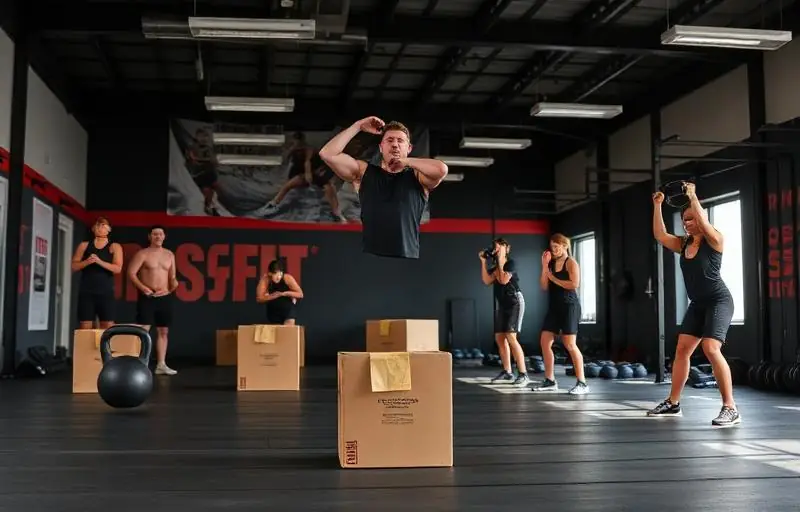
Daily WOD via SMS
The Morning Ritual
The WOD (Workout of the Day) is the heartbeat of CrossFit. Sending the WOD via SMS creates a powerful ritual:
6:00 AM:
Variations:
Why It Works
Class Management via SMS
Spot Reservation
CrossFit boxes operate with capped classes (8–16 athletes):
Booking Confirmation
Cancellation
Waitlist
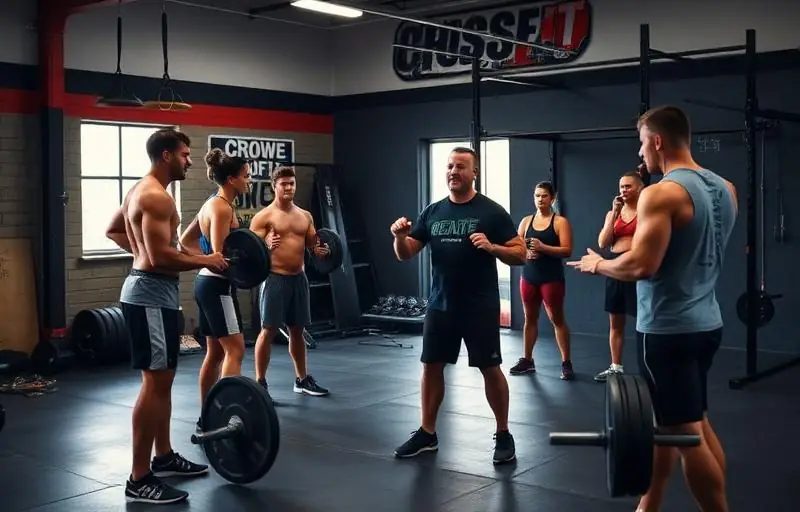
Building Community
Celebrating Milestones
CrossFit is all about pushing past personal limits. SMS celebrates every milestone:
Monthly Challenges
Community Events
Athlete Retention
Inactive Athlete (5 Days Without Training)
Dropping Attendance
Membership Renewal
Billing
The Open and Competitions
CrossFit Open
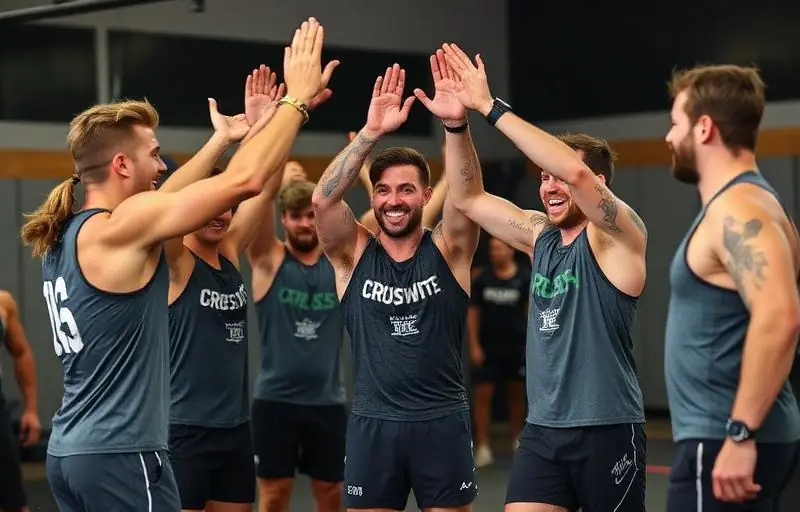
Results from a Box
A CrossFit box in Florianópolis with 120 members:
Tips for CrossFit Boxes
Practical step-by-step guide to structuring the SMS flow
To turn isolated notices into a predictable communication process, the box needs to organize automated contact sequences. With the SMS Grátis Online platform, blasts starting at R$ 0,06 allow you to keep this structure active without compromising the operation's budget.
Step 1: Database cleaning and registration:
Collect each member's updated mobile number during enrollment and record prior consent to receive operational notifications, spot availability alerts, and daily workout reminders.
Step 2: Segmentation by athlete profile:
Segment contacts into beginners in the onboarding phase, regular members, and athletes showing a drop in attendance. Message personalization increases read rates and relevance.
Step 3: Setting up send triggers:
Define clear rules for dispatching messages according to member behavior at the box.
Step 4: Daily monitoring of replies:
Assign someone at the front desk to monitor confirmations and cancellations, quickly freeing up open spots for those on the waitlist.
Common communication mistakes made by boxes and functional fitness studios
The simplicity of sending quick text messages can lead to mistakes that weaken relationships with members. Avoiding these slip-ups protects the community experience and the box's reputation.
Ignoring the athlete's experience level:
Using jargon and advanced acronyms with newcomers can cause embarrassment or intimidation. If a member just joined, terms like RM, C&J, or Bar Muscle-Up require context so as not to push them away from training.
Sending messages at inappropriate times:
Messages sent late at night disturb athletes' rest and cause annoyance. Keep announcements focused in the early morning or mid-afternoon, times when members typically organize their daily schedules.
Focusing efforts solely on billing:
Using SMS exclusively to send payment notices creates a negative perception. The channel should primarily be recognized as a driver of attendance, motivation, and operational convenience.
Failing to manage the opt-out list:
Persisting in sending messages to members who have expressed a desire to pause or stop notifications violates privacy and damages the business's public image.
Essential metrics to monitor at the box
Systematic tracking of indicators helps validate the efficiency of messaging campaigns and the practical return on investment in classes.
Response rate in high-demand classes:
Shows the proportion of members who respond to spot availability alerts and waitlists. High response rates signal strong community engagement with the direct channel.
Reduction in no-show rate:
Indicates the decrease in unannounced absences after launching morning reminders. This tracking makes it possible to maximize the box's physical capacity and the coaches' dedication.
Reactivation rate of inactive athletes:
Measures how many members who had not checked in for two or more weeks returned to train after friendly contact via text message.
Cost per attendance generated:
With affordable sends starting at R$ 0,06 per message, managers can compare the total amount spent on blasts each month against the number of spots filled and memberships kept active.
Frequently asked questions about SMS in CrossFit
Is it worth using SMS if the box already has its own app?
Yes. Many members disable app notifications or forget to open the app. SMS stands out for its high delivery rate and immediate visibility on the phone's lock screen, requiring no continuous internet connection to be viewed.
How should you handle members who don't understand workout acronyms?
For beginner lists, replace complex acronyms with the main objective of the training session. Instead of detailing periodization with technical terms, explain that the class will focus on building endurance, mobility, or general conditioning.
How far in advance should you notify the waitlist?
The notification should be sent the moment a cancellation occurs, at least one to two hours before the class begins. This gives the athlete enough time to get ready and travel to the box.
How many weekly messages are recommended per member?
To avoid message fatigue, limit daily workout texts strictly to those who opted in for that morning ritual. For general class notices, events, and re-engagement reminders, maintain a frequency of two to three touchpoints per week.
Conclusion
SMS is the digital extension of the CrossFit community. From the daily WOD to celebrating PRs, from class management to athlete retention, every message reinforces the bond between athlete and box. For boxes looking to grow while preserving their community spirit, SMS is essential.