The Brazilian supermarket sector generates over R$ 700 bilhões a year, but competition is fierce. With tight margins and increasingly price-sensitive consumers, efficient communication makes the difference between a loyal customer and a lost customer. SMS has become the secret weapon for the fastest-growing supermarkets in the country.
The logic is simple: customers need to buy groceries every week. If you stay top of mind at the right time — with the right offer — they will visit your supermarket, not your competitor's. And no channel ensures this better than SMS, with a 98% open rate and read times within 3 minutes.
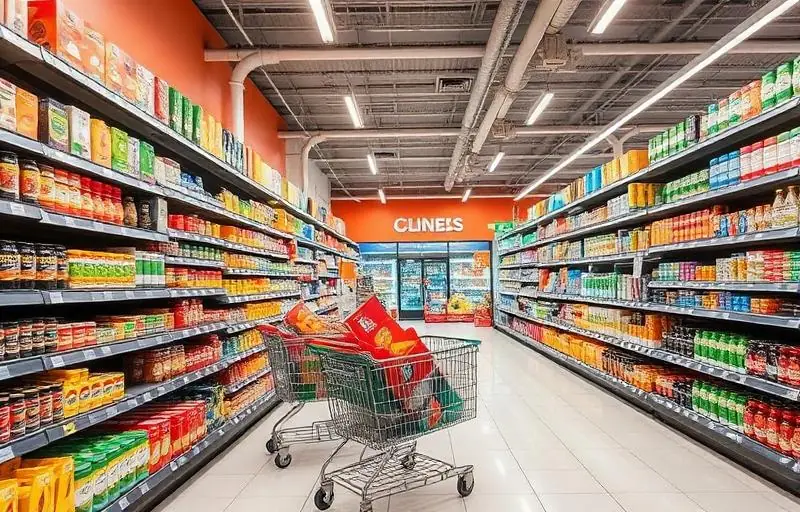
Why SMS works so well for supermarkets
1. High purchase frequency
Customers visit the supermarket 2-4 times a month. Every SMS is an opportunity to influence the next visit.
2. Price sensitivity
Brazilian consumers compare prices. An SMS featuring a competitive offer at the right moment is decisive.
3. Local customer base
Supermarkets serve specific neighborhoods and regions. Location-segmented SMS boasts extremely high conversion rates.
4. Perishable products
Produce, meats, and dairy near their expiration date can be promoted via SMS with a discount, reducing losses and driving revenue.
Types of SMS for supermarkets
Daily deals
"TUESDAY DEALS! 🛒 Picanha R$ 29,90/kg | Rice 5kg R$ 18,90 | Milk carton R$ 4,49. Today only! {Supermarket}. Don't want to receive? STOP"
Digital flyer
"📋 Weekly flyer from {Supermarket}! 200+ unmissable deals. Check it out: {link}. Valid until Saturday!"
Loyalty program
"Congratulations! 🎉 You've earned 500 points at {Supermarket}. Redeem them for discounts on your next purchase. Check details: {link}"
Customer birthday
"Happy birthday, {nome}! 🎂 {Supermarket} has a gift for you: 15% OFF on purchases over R$ 100 today. Show this SMS at the checkout!"
Win-back inactive customers
"We miss you! 😊 It's been a while since your last visit. Get R$ 10 OFF on purchases over R$ 80. Code: COMEBACK. {Supermarket}"
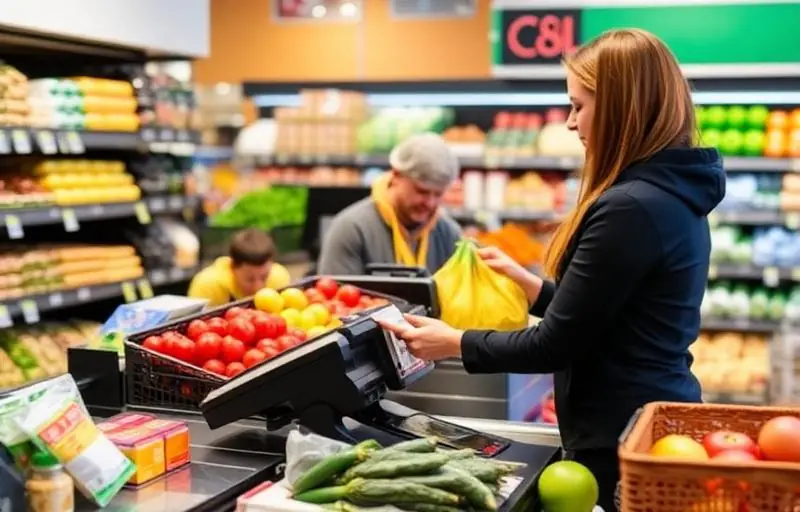
Fresh produce and perishables
"🥬 FRESH PRODUCE just arrived! Bananas R$ 2,99/kg | Tomatoes R$ 3,49/kg | Mangoes R$ 4,90/kg. {Supermarket} — Fresh every day!"
Seasonal dates
"🔥 SATURDAY FEIJOADA! Complete feijoada kit for R$ 49,90 (serves 6). Order now: {tel}. {Supermarket}"
Advanced strategies
Segmentation by shopping profile
Analyze purchase history and send personalized deals:
Strategic days
Reducing waste with SMS
Products near expiration can be promoted with aggressive discounts via SMS:
"⚡ FLASH DEAL: {marca} yogurt buy 3 pay 1 (exp. in 2 days). Today only until 10 PM. {Supermarket}"
This cuts waste and recovers revenue that would otherwise be lost.
Real results
Case Study: FreshMart Supermarket (5-store chain)
FreshMart, a regional chain with 12,000 registered customers:
Before SMS:
After SMS (6 months):
Monthly investment: R$ 720 (12,000 SMS)
Incremental monthly revenue: R$ 180.000
ROI: 24,900%
"SMS was a game changer for us. Before, we printed 10,000 flyers a week and never knew if anyone read them. With SMS, we know 98% read them — and the sales prove it." — FreshMart Manager
Metrics to track
1. Average ticket: Compare customers who receive SMS vs. those who don't
2. Visit frequency: Monitor how often customers visit the store per month
3. Redemption rate: How many customers use SMS coupons
4. Waste reduction: Compare shrinkage/waste before and after SMS
5. NPS (satisfaction): Customers who receive SMS tend to have higher satisfaction
Common mistakes
1. Only sending promotional deals: Alternate with recipe tips, helpful announcements, and value-added content
2. Ignoring timing: Send in the morning (7–9 AM) to influence shopping decisions for the day
3. Failing to segment: A vegan doesn't want deals on picanha
4. Excessive frequency: 2–3 SMS per week is ideal for supermarkets
5. Forgetting opt-out: Always include an unsubscribe option
Practical step-by-step guide to structuring contact collection at the POS
The success of any messaging campaign directly depends on the quality of the customer base. In the supermarket sector, the point of sale (POS) is the ideal environment to collect these numbers with consent, as long as the process does not slow down checkout service.
To implement an efficient registration routine, follow these steps:
Ready-to-use message templates for cash-and-carry and store routines
In addition to traditional weekend offers, neighborhood supermarkets and wholesalers have specific purchasing dynamics. In wholesale, for example, the focus is usually on food service businesses, local merchants, and families buying in bulk.
See examples of ready-made copy to apply to your calendar:
Alignment checklist between messaging and store operations
Sending out thousands of messages without notifying the internal team can lead to stockouts, customer frustration, and lost sales. Before scheduling any mass broadcast, make sure to complete the following steps:
Frequently asked questions about text messaging in food retail
How can you prevent customers from finding the messages invasive?
The perception of nuisance arises when content is not relevant to the recipient. To prevent opt-outs, respect the weekly sending limit, use courteous language, and limit promotions to items that genuinely offer savings or practical usefulness for daily household routines.
What is the best time to send notifications in cash-and-carry?
Unlike standard retail, which typically peaks in the late afternoon, small business owners and restaurant managers plan restocking during the early hours of the day or early in the week. Broadcasts between 7:30 AM and 9:00 AM on Mondays and Tuesdays tend to reach this audience before their workday begins.
Is it viable to use the tool for small-scale grocery stores?
With affordable sending costs starting at R$ 0,06 per message, compact grocery stores can work with smaller, highly targeted lists segmented by street or neighborhood, achieving a financial return without compromising the monthly marketing budget.
Conclusion
For supermarkets, SMS is more than marketing — it's a management tool. It increases visit frequency, boosts average ticket, cuts perishable waste, and builds customer loyalty in an extremely competitive market. With low investment and proven returns, not using SMS is leaving money on the table.